
Shut your mouth and open your legs
On challenging pornography in public

The first time I saw pornography I was maybe nine years old. This was in the very early days of the internet. From the get go, I had unsupervised internet access and I was obsessed with the secret worlds and opportunities for self-expression the internet offered me. I loved making websites. There was a website where you could make your own websites using an easy template. This website was called expages but the address was actually expage.com (no s). I typed in expages.com and was confronted with pornography.
Like most children, I was neglected, and I had no safe, attuned relationship with an adult with whom I could discuss what I had seen. I knew I was alone with it. Like many children, I was being sexually abused in my family, so sexuality existed in the realm of unreality: unspeakable, ever present, pulsating with significance and danger, but simultaneously unreal. Seeing these graphic sexual images further confirmed that sex was something terrifying and overwhelming — something that had to do with the new sensations I was starting to feel in my body, but that equally had to do with my grandfather’s invasive hands, and all these women splayed and open before my child eyes.
It wasn’t long before I saw pornography again. Sometimes I didn’t have to type in an address wrong to see it; I would just show up to the family computer and it would already be on the screen. I remember viscerally one of these times: the usual images of naked women in various poses with men doing various things to them, and this time the words “barely legal.” I knew this was what my father was looking at and I was terrified by the implication that my father was doing something criminal. What did “barely legal” mean? Thinking about my sexually abused and emotionally neglected child self grappling with this question breaks my fucking heart.
Another time, my little sister came to me and said she’s woken in the night and went out into the hallway. Our father was on the computer with the door open. On the screen was a naked woman and her mouth was in an O shape like she was screaming. My father simply looked at my sister and said “Go back to bed.” Having already come across pornography many times, I knew what my sister was describing. As is always the responsibility of the oldest daughter, I wanted to protect my sister from what she had seen. I lied and told her it was a computer virus that made these things pop up.
When I was 18, I had a boyfriend who had duffle bags full of pornographic magazines. By this point, I was drinking and acting crazy, expressing my trauma in meltdowns, following the route of so many incest survivors. I was absolutely fascinated by these pornographic magazines. Incest survivors learn that our worth as sexual objects is more important than anything else about us. We are valued as sexual objects above being daughters, above being children, above being human beings. These magazines seemed to show the heart of what it was the men in my family and in the world were seeking. The thing that was more important than anything else. Girls as sex objects. As young as legally possible, but presented as even younger. Any way a man could want them. Stripped of any semblance of their personhood. Made to do whatever the viewer had in mind.
By 18, I figured — If you can’t beat them, join them. My sister, who had followed the same path, wrote once — You might as well like it girl, you might as well cum. The sexual violence of men was inescapable, invasive, objectifying, terrifying — but it was also our only means of accessing attention, and what passed for care or love. Both my sister and I became compulsively sexual, having sex with countless men, and turning to pornography as our north star, to show us what men wanted, what was expected of us. By 18, I was naked on the internet (suicidegirls). By 19, I was working at a sex store. By 20, I was a cam girl, and then a prostitute.
I believed that I loved sex. I certainly felt like I needed it. I couldn’t stop getting black out drunk and seeking out random men in the streets to fuck me. More than once I ended up at a sketchy apartment where I had a “train run on me”: a large number of guys fucked me one after the other. Maybe 15? Maybe more? The whole time I slurred about how much I loved it, until I tried to kiss one of them and he said he doesn’t kiss sluts. Then I would start screaming and crying uncontrollably, all the trauma pouring out of me. I had had sex with more than 100 men by the age of 21.
For work I was a little more careful. I was aware that men kill whores. I didn’t drink when I was working. The first time I did an outcall and the man drove me to a rich person neighbourhood and then shortchanged me, offering me $160 and a dime of weed instead of the $200 we had agreed upon. I let him fuck me anyway because I was already at his house and I didn’t want to get into a fight. After that I did incalls — what did it matter if even more strange men were coming into the apartment? Nothing too horrible happened. I loved the money. I had been making $8 an hour working 40 hours a week at the sex store, never having two days off in a row, and puking in the bathroom because I was always so hung over. Here I made $200 an hour so I didn’t have to work so much, and I could drink as much as I needed with plenty of time off for puking my guts out.
Because I wasn’t violently assaulted while working, I always assumed it was an “empowering” experience. The money was awesome, and I was always being objectified and fucked by men anyway — might as well get paid. It never occurred to me that sex work was a traumatic reenactment, where I reaffirmed that my primary value in the world was as a sex object, and I let men fuck my already traumatized body, increasing the amount of shit I would later have to process in therapy. I stopped prostitution because I started getting hospital-level, morphine-level migraines whenever I had an orgasm. My body was saying no.
I kept being poor, getting by on welfare, or student loans when I went back to school, or the occasional strings-attached help from my abusive mother who always used it to make me talk to my incestuous father again, or brief attempts at retail that I couldn’t maintain because I was too crazy, or panhandling. Plus food banks, getting by, making do, living with cockroaches and bedbugs. Eventually I managed to stay at university long enough to acquire a significant amount of debt. It seemed impossible that I would ever be able to pay it off. But sex work was always in my back pocket. I remember doing the math to figure out how many men I would have to fuck to pay off my student loans. It was a lot of them.
When I was 23, the man I considered the love of my life would scream at me and call me a disgusting slut who no one would ever love. He would throw it in my face that I had done sex work, and had a train run on me, and fucked so many guys. I had told him those things in the early days when he seemed safe, and later bitterly regretted it. I loved him so much. He taught me how to ride a bicycle, showing me more love than my parents ever had. He seemed to have interest in me beyond fucking me, which was incomprehensible and more than I could ever have dreamed. And I had already fucked it all up by being a fucking slut and a whore. When he raped me on the mattress on the floor of our bedroom, and I lay there crying having given up the fight, he said to me “You’re so sexy when you’re like this, when you’re all sad and submissive.” After he put my body through the dry wall, broke into my house, called the cops on me, and I knew it was over, he told me “Have fun making out with your grandfather, you fucking slut.”
At 24 I finally managed to get into free, non-psychiatric trauma therapy and to start turning my life around. At 25, I got sober, entered the world of AA, and rejoined queer social justice world. I remember coming across pro sex work discourse. My first impression was to feel protected by it. After having been called a disgusting slut and whore so many times, it felt nice to have people speak in a celebratory way about sex work. I soon learned I wasn’t allowed to say “prostitute” and that I should say “full service sex worker” instead. Even back then, that term made me uncomfortable: it made me sound like a gas station, and also I wasn’t “full service” — I didn’t do anal, I used condoms for blowjobs, etc. But overall, I liked the warm and celebratory language. I liked how “former sex worker” gave me identity points that I couldn’t access with “woman.” Hearing that “sex work was about love” sounded good. I had always wanted love. But who was loving who?
In my mid twenties, in queer social justice world, there were a lot of women ten to fifteen years older than me promoting sex work as something empowering, healing, and good. Not only was the mantra “sex work is real work” repeated over and over, but sex work was presented as something more than other kinds of work. Other kinds of work we mostly agreed were exploitative and oppressive — capitalism was bad. But sex work had an air of the spiritual. Sex workers were healers, sex educators, they loved their clients, they transformed the world through their healing sexuality. All of this sounded good, but I couldn’t help secretly wondering why all this love and healing flowed one way, from women to men. I knew I was an incest survivor with severe trauma. I knew my pain was so bad I had tried to take my own life many times. I knew that I needed healing and I needed love. I needed love so fucking badly. So why, when I was 20 and 21 years old, alcoholic, poor, and traumatized out of my mind, was I providing “love” and “healing” to random men who had $200 and a wife and kids at home? And why did this “love” and “healing” take the form of me looking as hot as possible, listening attentively and agreeing with whatever they needed me to agree to, sucking their dicks and letting them fuck me?
As the years went by and I grew in my recovery from complex trauma, and as I grew intellectually and politically, I started to side eye the pro sex work discourse more and more. I noticed that the social justice identitarian left had basically no analysis of patriarchy, misogyny, gendered violence, or child sexual abuse. Cis white women were constantly reminded that we were cis and white whenever we talked about misogyny or gendered violence. A viral video of a woman filming herself being sexually harassed on the street was mass called out for racism because many of the white woman’s harassers were men of colour. Everyone started identifying as nonbinary and nonbinary was seen as an inherently more oppressed identity than woman. People started identifying as “femmes” and talking about “femmephobia” and there became literally no way to talk about misogyny unless you were intentionally and explicitly feminine. Liberal “choice” feminism meant that getting lip filler and breast implants was feminist, being a stripper was feminist, men choking you on a first date was feminist. What wasn’t feminist, or allowed, was looking at any of these “choices” in relation to patriarchy or misogyny. “No swerfs/no terfs” became the closest thing we had to feminism.
My history of sex work has more in common with my history of experiencing misogyny than it does with my work history more generally. Sex work for me was primarily a continuation of the misogyny and sexual objectification that I lived, more than an experience of labour. The men paid me, it’s true. That’s what differentiates them from the other misogynists. But they were just more misogynists in a long line of misogynists who felt entitled to my body and treated me as a sex object. They just happened to have 200 bucks.
Despite the fact that I say controversial things in my career all the time, being honest about this is still one of things that results in the most outrage and harassment. And, whenever I talk about this, my DMs are also filled with messages from younger women, sharing their experiences of trauma related to sex work and pornography, and telling me they’re way too scared to talk about those experiences in public due to the harassment they will face. Not by conservatives, by “feminists.” When I was newly sober and surrounded by “sex work is love” “feminists” ten to fifteen years older than me, I almost went back to sex work. I was poor and I needed the money and I was being told over and over again that it was just like other work and yet somehow spiritually special. Recently, a Gen-Zer in my DMs told me she feels groomed by the sex positivity and pro sex work millennials who gloss over the risks involved with sex work and always present it as empowering. I realized that I also feel an older generation of women was encouraging me to go back to prostitution. I feel strongly that I have a responsibility to be a better elder than that, even if I will experience harassment for saying this.
I am not “pro sex work.” I am also not a “sex work exclusionary radical feminist.” I think that pornography, and the other sex work industries, are the industrialized eroticization of misogyny. Misogyny is the dehumanization and sexual objectification of women. It is the idea that women should be sexually available to men, and that our ability to be sex objects is the most important thing about us. It’s the devision of women into “virgins and whores” or “wifeys and side chicks.” It is the expectation that we remain young and hot and fuckable and take it as a compliment when men intrude on our lives with their sexual desires. It’s the fact that men’s dehumanizing sexual fantasies are pervasive, inescapable, and all around us, starting from childhood, and that we experience our own bodies and sexualities through the dehumanizing, objectifying misogynist gaze.
When I publicly critique pornography by calling it the industrialized eroticization of misogyny, people lose their minds at me. They act incredulous. They insist all industries have their bad sides, but overall, sex work is empowering, healing, and mostly good. They literally don’t understand what I mean when I say it is misogynist. This shows that we have completely lost the plot and no longer know what misogyny means. An industry based on the sexual objectification of women is absolutely and definitely misogynist. Some parts of it are worse than others, more violent than others, more degrading than others — but an industry that is about objectifying women by turning them into an expression of men’s sexual fantasies is definitely misogynist. This should not be controversial to say.
Why is sex work gendered? Why are the vast majority of buyers men and the vast majority of sellers women? Why is so much pornography based in the idea of total access to women’s and girl’s bodies and sexualities, without any attempt at relationship or recognition of her specific humanity? How do we not see that “desperate slut gets fucked in all her holes and likes it” literally is misogyny? Pornography is not sometimes misogynist. Pornography is the industrialized eroticization of misogyny. It is misogyny. It is the most explicit media representation of the misogynist worldview: women are nothing more than sex objects, fuckable holes.
And before people jump down my throat about “feminist porn”: it makes no sense to use the same word for niche feminist erotic material as we use for a multibillion dollar, hegemonic, culture shaping industry. When I say “pornography,” I mean what some people call “mainstream porn.” I think that using the word “pornography” for niche feminist erotic material confuses the conversation and shields actual pornography from feminist critique. I have no problem with ethical, consensual, feminist erotic material. It’s not pornography.
When I critique pornography and other forms of sex work as misogynist I am called a swerf, accused of putting sex workers in danger, and accused of shaming sex workers. According to the pro sex work worldview, the only way to be in solidarity with sex workers is to completely celebrate pornography and the other sex work industries. We must downplay or ignore the gendered reality of sex work. We must not talk about misogyny or the chronic eroticization of child sexual abuse. We must ignore the incest / child sexual abuse survivor to sex worker pipeline. We must assume that all sex workers are consenting and happy to be there. We must not notice the insane plastic surgery, the shoes that fuck up your back, the sexual assaults on the job, the coercion, the extreme fetishization of youth. We must believe sex work is just like any other work, but also special, spiritual, inherently good. I have literally heard people suggest that not wanting to hire a sex worker is “whorephobic.” I have had men slide into my DMs announcing they are “pro sex work feminists” and asking for my OnlyFans (I am a writer). I have heard a woman I was dating tell me that a guy she was dating hired a prostitute and shared this with her proudly, because he is “sex positive” and “pro sex work.” I have witnessed a recently out trans woman complaining about transmisogyny making it hard for her to get work being told that she should try sex work. I have been told that it’s problematic that I am happy I didn’t have to fuck 150 men in order to pay off my student loans.
In every other context leftists know we can support workers and call exploitative industries what they are. When I say Amazon is fucking evil, no one says I am shaming Amazon warehouse workers. I don’t have to believe that being a warehouse worker is empowering, or spiritual, or healing in order to believe that warehouse workers should have rights. I am in favour of the decriminalization of sex work. I am also in favour of decriminalizing drug use — that doesn’t mean I think drug use is necessarily always healthy and positive and “about pleasure.” I know that drug use is often about trauma, and pain, and chronic cycles of violence, and addiction, and death. And I can talk honestly about that without shaming or hating or wanting to criminalize drug users. I think that the sex work industries are, overall, a bad thing for society. I think they encourage men to think of women as sexual objects. I think they are overtly misogynist. I think they damage both men and women’s relationship to sexuality, increase dissociation and alienation, increase loneliness, create addiction, make women hate their bodies and sexualities, increase sexual violence and poor consent practices, eroticize child sexual abuse, incest, rape, sexual violence, and racism, and overall contribute to more dysfunctional relating. I definitely do not think they are about love, healing, or sex education.
Here is an example of what I have written on instagram about my opinions regarding sex work:
“Conservatives and right wing people oppose pornography for misogynist reasons. They think it’s wrong for women to be overtly sexual, that sexuality for its own sake is “sinful,” and that sexuality should be reserved for marriage. This is not the basis of my opposition to pornography. I think women should be as sexual as they want, that each person’s sexuality is sovereign, and that monogamy is definitely not the only healthy and empowering expression of sexuality. My opposition to pornography is based in my opposition to misogyny, the sexual objectification of women, and the eroticization of sexual violence and child abuse.
Some feminists who oppose pornography and other forms of sex work think the best way to do this is by criminalizing sex work. This is not a strategy that I support. Criminalizing sex work further endangers and disempowers sex workers. The strategies I support are: fighting for universal basic income or other means for people to have their basic needs met so that no one is forced to do sex work to survive, fighting for universal access to free trauma therapy and disability supports for survivors of child sexual abuse and other forms of sexual violence, a cultural reckoning with misogyny so that it is no longer culturally acceptable to consume misogynist media or media that eroticizes child abuse, a robust feminism that fights for women to be seen as human beings and not sexual objects, easy access to supports for men who want to face and transform their patriarchal indoctrination and liberate their sexuality from intentionally addictive and dehumanizing pornography, easy access to supports for women and other gender oppressed people in recovering from the traumatizing effects of misogyny, and far more regulation and supports for parents in preventing children from accessing pornography.
I have no problem with the creation of non-misogynist, ethical erotic material. I just don’t think it is accurate to call that material pornography because pornography is the name for the industrialized eroticization of misogyny. Using the same name for niche feminist erotic material as we do for a hegemonic, multibillion dollar, misogynist industry is confusing and makes it harder to challenge pornography.
A media landscape saturated with misogynist imagery that degrades and dehumanizes women, and eroticizes sexual violence and child abuse is a huge problem. We need solutions to this problem that are not also misogynist and that do not criminalize sex workers. Leaving the right and/or carceral feminists as the only groups to challenge pornography is a bad idea.”
Whether you agree with me or not, this is a coherent feminist position that does not in any way shame sex workers or call for their criminalization. I should be allowed to say this without being harassed, called disgusting, or accused of “causing harm.” No one should act shocked to hear me say this. But we have so thoroughly lost the plot that a woman, incest survivor, and former prostitute critiquing the overt misogyny of the sex work industries, and the eroticization of child sexual abuse and incest in pornography, is accused of “violence” and receives more criticism than the sex work industries themselves do.
Because we have abandoned feminism or any analysis of misogyny, the only group we think are affected by sex work are sex workers, and therefore, only sex workers are allowed to speak on sex work. In fact, all women and girls are impacted by the sex work industries. The sex work industries are enormous, multibillion dollar, culture shaping industries that saturate our media landscapes with overtly misogynist imagery. Most of us are first exposed to pornography in childhood. Most of our partners consume pornography and this affects how they relate to us sexually and relationally. Imagine if someone just watched extremely racist videos on a regular basis and said it was a personal choice. Would we culturally be okay with that or would we say it is fucked up? Would we say that the only thing that matters is whether the actors in the racist videos feel empowered about it?
I know multiple women who do not come from a background like mine, who were not funnelled into sex work due to their extreme sexual trauma, who, in their early 20s in queer social justice world learned that sex work is cool and empowering and an easy way to make money. Who then went into sex work and came out with complex trauma. I blame pro sex work discourse which makes it a social crime to discuss the risks associated with sex work for these cases. I am tired of non-traumatized, middle class, university educated young women thinking it’ll be cool and fun to go into an industry that many women work in because they have no other choice and then coming out more fucked up than they were when they went in. I am not saying everyone who does sex work develops trauma, but it is a risk that needs to be named.
Incest and child sexual abuse survivors are overrepresented in sex work. We learned in childhood that we are valued as sex objects above all else. We often struggle with compulsive sexuality and traumatic reenactment. Being used sexually feels familiar to us. On top of this, we are often too disabled, crazy, unstable, and/or addicted to hold down regular jobs. We deserve free trauma therapy, disability supports, and universal basic income, not the insane idea that getting fucked for money is empowering for us because it is easier to access than other forms of work. Incest and child sexual abuse survivors deserve the right not to be sex workers. In fact, every single woman deserves that right.
One of the things I find the most fucked up about pornography, which the pro sex work people are usually silent on but when you push them on it they’ll accuse you of “kink shaming,” is the overt eroticization and normalization of child sexual abuse and incest. It is normal in pornography for the performers to look as young as possible. Many of them are literally teenagers (I don’t care if it is legal, it is fucking wrong for 18 years olds to be gang banged let alone on camera). They usually have no body hair and there are often outfit and hairstyle choices meant to signify extreme youth. But beyond that, a huge amount of pornography explicitly eroticizes child sexual abuse and incest. A huge amount of pornography calls itself “barely legal.” The performers will be holding teddy bears and even sucking their thumbs. “Step father / step daughter” pornography is some of the most searched for pornography on porn hub. Step fathers are some of the most pervasive perpetrators of incest and step daughters are at extreme actual risk of sexual violence. And we think it is acceptable that there is a huge amount of pornography encouraging men to masturbate about sexually assaulting their step daughters. How do we know that this does not contribute to any of them crossing the line? Why are we okay with so many men masturbating to a kind of abuse that frequently leads to suicide? I find it completely unacceptable that people are telling me, an incest survivor who tried to kill myself multiple times, that critiquing this pornography is ME being violent. It makes me fucking sick.
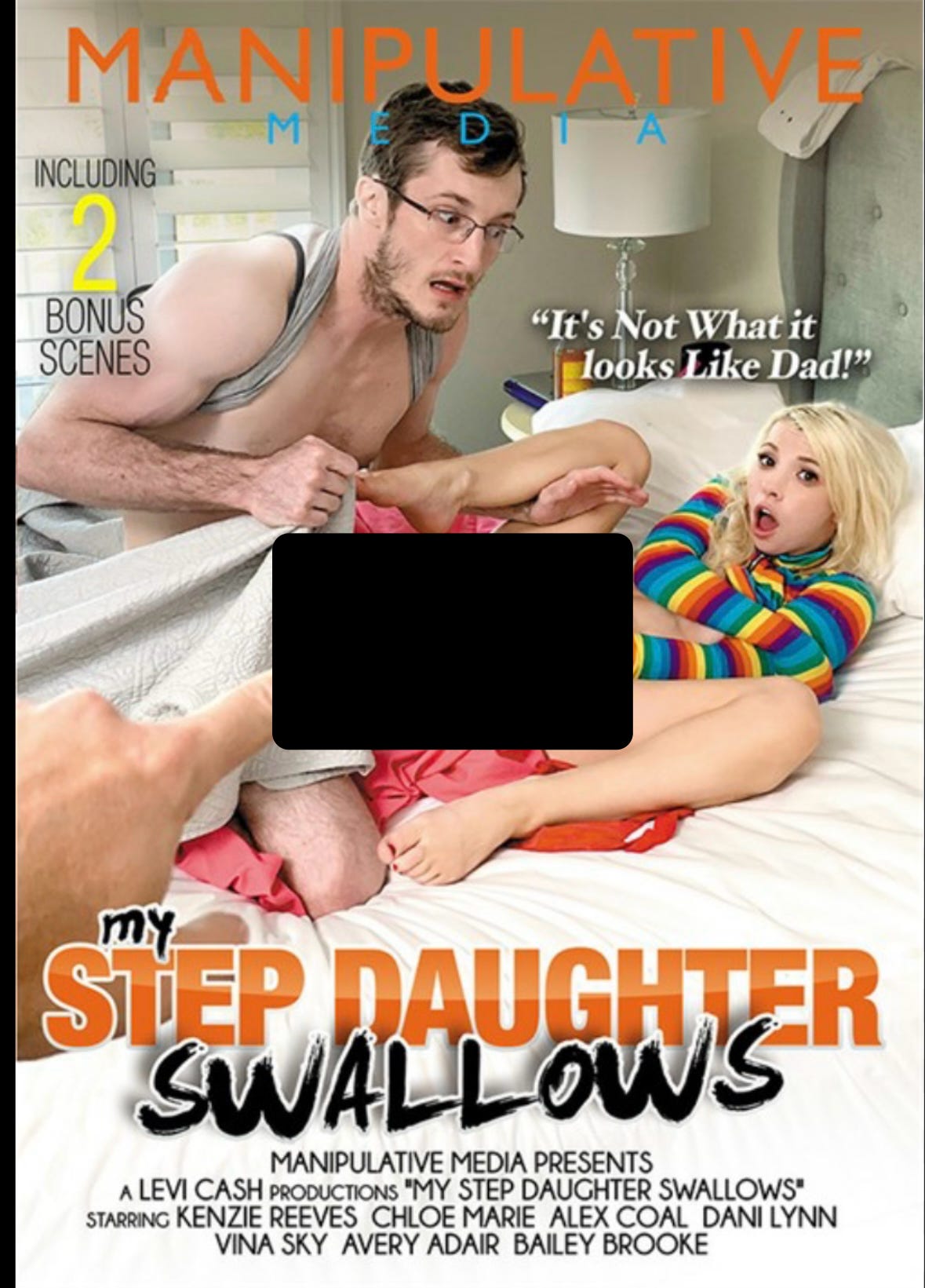


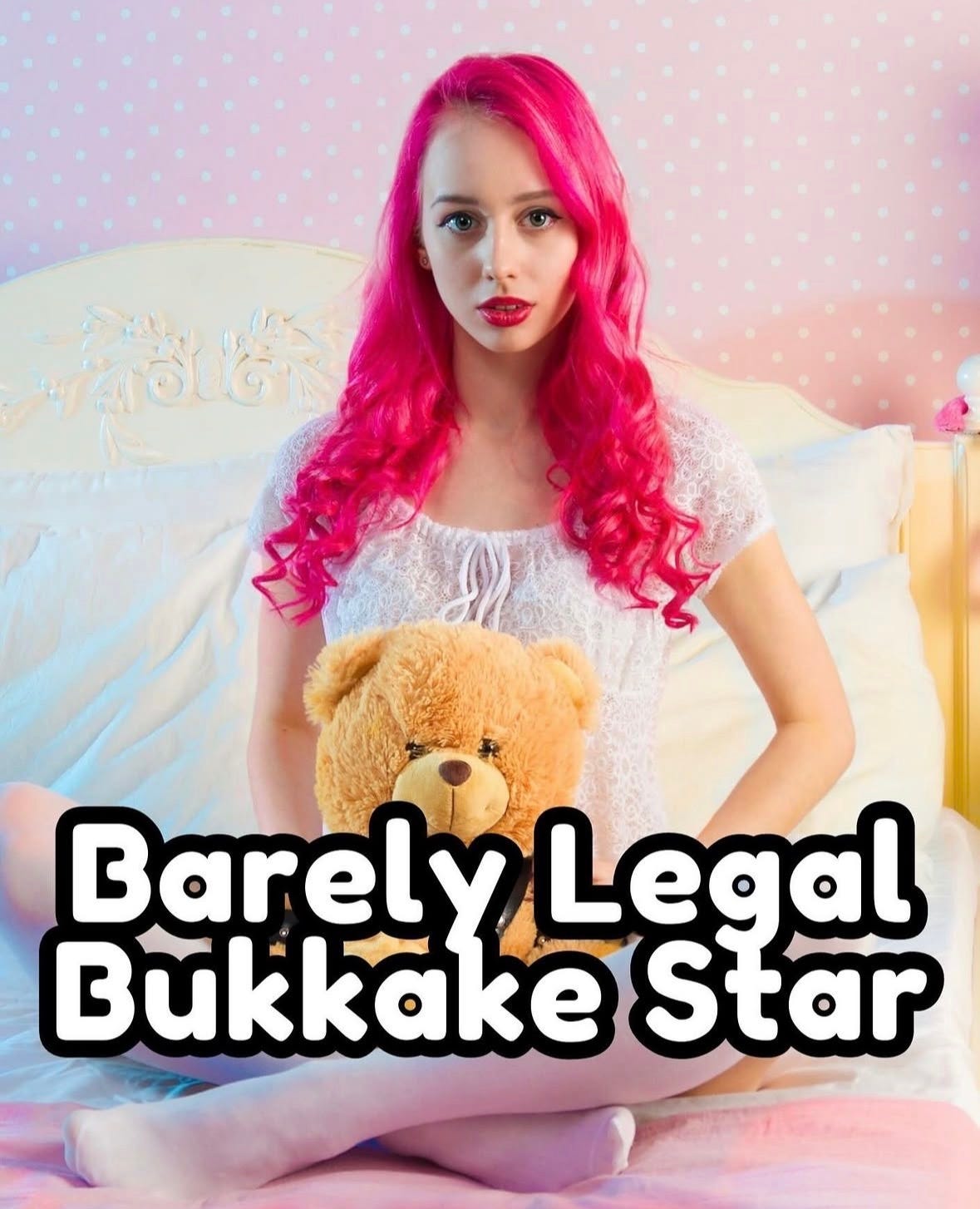
When I publicly critique pornography and the other sex work industries as misogynist, I receive a huge amount of harassment. The harassment is dripping with contempt. I am called disgusting. I am told to shut the fuck up. I am accused of violence and harm. And there is zero compassion for my trauma, and my experience as a woman, an incest survivor, and a former prostitute. I am mocked and ridiculed. I am never engaged with in good faith. The fact that I name that I am in favour of decriminalization and that I am not in favour of shaming or stigmatizing sex workers every time I write about sex work does not matter. The only opinion I am allowed to have about sex work is that it is just like any other work (it is not, you do not do other types of work with your pussy), that it is healing, and empowering, and good. Otherwise I am fucked up and a terrible person. And while I do my due diligence in always naming my commitment to decriminalization, I never see pro sex work people critiquing the misogyny or the eroticization of incest and child sexual abuse in pornography. There are literally sex workers who were not abused as children, who are middle class and educated and don’t have to do sex work, who promote pornography as straight forwardly positive and good and say nothing about the pervasive normalization and eroticization of incest and child sexual abuse in porn. Where is their responsibility to survivors of incest? They are actively promoting an industry that eroticizes something that permanently disabled and almost killed us. But we are the violent ones for wanting to talk about this.
The vast majority of harassment I receive when I speak about sex work comes from other women, and yet it is a clear expression of misogyny. I am always told to shut the fuck up. These women would be fine with it if I were still getting fucked by men for money, even if I found it traumatizing and even if it was an expression of my pre-existing trauma, because something something don’t let a few bad apples spoil the bunch. But they are NOT okay with me speaking my mind. In fact, it enrages them. What I see is a bunch of women protecting a misogynist industry from critique by attacking a fellow woman who has survived a lifetime of brutal misogyny. What I hear is shut your mouth and open your legs.
Announcements

There are two ways of going crazy: one is by being good, the other is by being bad.
This workshop explores the dilemma between attachment and authenticity faced by all people, but faced in a particularly brutal fashion by the abused child. Sometimes the child takes on the strategy of preserving attachment at the expense of authenticity (and reality) and sometimes the child decides to preserve authenticity (and reality) by repressing and distorting the need for attachment. Sometimes the child splits and finds a way to carry out both strategies.
This workshop dignifies and honours both strategies, looking at the strength and wisdom of both, while also facing the damage, risk, and loss that each strategy carries with it. Drawing on trauma research and the archetypal wisdom of the tarot, this workshop offers us a way to honour the good sister and the bad sister in us all, and to take back their energy from the abusive logics that distorted them.
July 5th, 1pm EST, on zoom. 1.5 hours. Recording sent by email the following day.
(All genders welcome. It’s just named after a Hole song.) Get your ticket here.


A collection of essays on incest as a family system, identifying incest before / without physical sexual assault, covert vs overt incest, surviving complex trauma, the role of humiliation in child sexual abuse, and the role of maternal neglect in patriarchal incest families. This zine is a contribution to our collective reckoning with, and knowledge building about, intrafamilial sexual abuse. It views child sexual abuse and sexual abuse within the family as explicitly political issues, not just issues of “personal healing.” It is for survivors and everyone who wants to become more responsible in actively working to abolish incest. Get it here.

A collection of essays written between 2023 and 2026 challenging cancel culture from the left, and telling the insane and dramatic story of my cancellation. More tell-all than any of my other writing on cancel culture, this zine gets into the details and specifics of “why” I was cancelled, the insane things people say about me, and the intense, dehumanizing, and threatening harassment that I face.
Topics include: my cancellation story, identiarianism and essentialism, the “grifter” accusations, cancellation as thinly veiled misogyny, the concept of “refusing to learn,” the anti cancel culture turn and being the edge of the Overton window, the symbol of “Clementine Morrigan,” dating cancelled men and how cancel culture makes it harder for the partners of cancelled men to challenge sexist or problematic behaviour within the relationship, when cancel culture escalates to stalking, threats, and property discussion, what constitutes “violence,” the difference between blowing up a pipeline and slashing a zinester’s tires, how people use organizing spaces to process their emotions and meet their relational needs and why this is bad for the left, why telling the truth is strategic and principled even when the truth is hard to hear, and how cancel culture intersects with polyamory and possessiveness. Get it here.

This zine is a love letter to my partner C. Written between 2024 and 2026, it's about falling devastatingly in love, disorganized attachment, anxious preoccupied strategies, polyamory, materialist spirituality, becoming a squirter in my late 30s, sexual trauma, lichen sclerosus, extremely hot sex, gender liberation, switch4switch sexuality and mutual collaring, surrender, and loving with open hands. It's a zine about how real love and really good sex can change you. It's about the courage it takes to let yourself be changed. Get it here.

Preorder my new book, coming early 2027.
When we’ve been hurt in our past, relationships can feel fraught, and polyamorous ones even more so. Firebrand author Clementine Morrigan is no stranger to the intense emotions and nervous system reactions non-monogamy can inspire, especially in those of us with insecure attachment styles and significant trauma histories. With vulnerability and unflinching directness, she shows us how to embrace the parts of ourselves that have acted out, confront oppressive dynamics, and learn new strategies to build the loving relationships we desire.
Morrigan offers a new framework, a set of tools, and the achievable goal of building a sense of safety so that our multi-faceted love lives no longer overwhelm us. She invites any of us who’s lived life on the edge to make our intimate relationships work on our own terms—without a constant experience of crisis.

In Episode 97 Clementine and Jay kick it with Bebe Montoya, Portland’s best and most cancelled socialist zinester. We talk about Bebe’s new zines, gender politics with normal characteristics, and the final (girl)boss of neoliberal identitarianism. Listen to the episode here.

This substack hosts two monthly zoom meetings for paid subscribers! On the second Sunday of the month at 5pm EST we will have a writing group with writing prompts, time for writing, and the opportunity to share your writing. On the last Sunday of the month at 5pm EST we will have a book club where we will discuss a mix of memoirs and weird fiction (and maybe sometimes other stuff). There is also a telegram group where you can chat with other participants, discuss books, and share writing. All the groups are drop in / optional. You can come to just the book club, just the writing club, or a mix of both. Meeting aren’t recorded because I want people to feel free to share openly.
Book Club: Sunday June28th, 1pm EST
This month’s book: Annihilation by Jeff Vandermeer
Find the zoom links and telegram chat here.
Order my new book, Fucking Magic, here.
Order my new book, L’art oublié de baiser, here.
Pre-order my forthcoming book, Love Without Emergency, here.
Order my zines and books here (shipping is currently open).
Read my secret online diary here.
What I’m reading lately:
Somebody’s Daughter by Ashley Ford
Just a Girl by Bebe Montoya
Man! I feel like a woman! by Bebe Montoya
The Cradle of Domination by Dorothée Dussy
On the of Calculation of Volume IV by Solvej Balle
Clementine Morrigan is an underground writer, cultural change maker, moral philosopher, and brazen truth teller. She is the author of numerous zines and books, including the cult classic zine Love Without Emergency, which will be released as a book with Microcosm Press in 2027. Her popular zine series Fucking Magic was released as a book with Revolutionaries Press in 2025. She co-hosts the podcast Fucking Cancelled with Jay Lesoleil. Her work is known for its unflinching engagement with taboo and difficult topics. She works for a world where the dignity of all beings is recognized and protected.
A very well-thought-out position that is hard to find elsewhere in the sex work discourse.
Yes. Yes to everything you’ve written here.
I’m a 65 yo incest, child sexual abuse, sexual assault survivor, and all of that is still seated in the fabric of my being, showing itself in myriad ways in my life, undoing, remaking, showing how deep it goes. When I followed recently, the thread of a question, “how did I get here to this place where I am right now?”, it lead me back to the place where I have no words, just knowing and the feeling, the gone-ness, the practiced and learned response about how to make it through, and gauzy dreamlike memories that have no place to land. The damage is real, no matter how strong and capable you are to survive it.